Marie’s ChatGPT-Assisted Deconstruction Blog

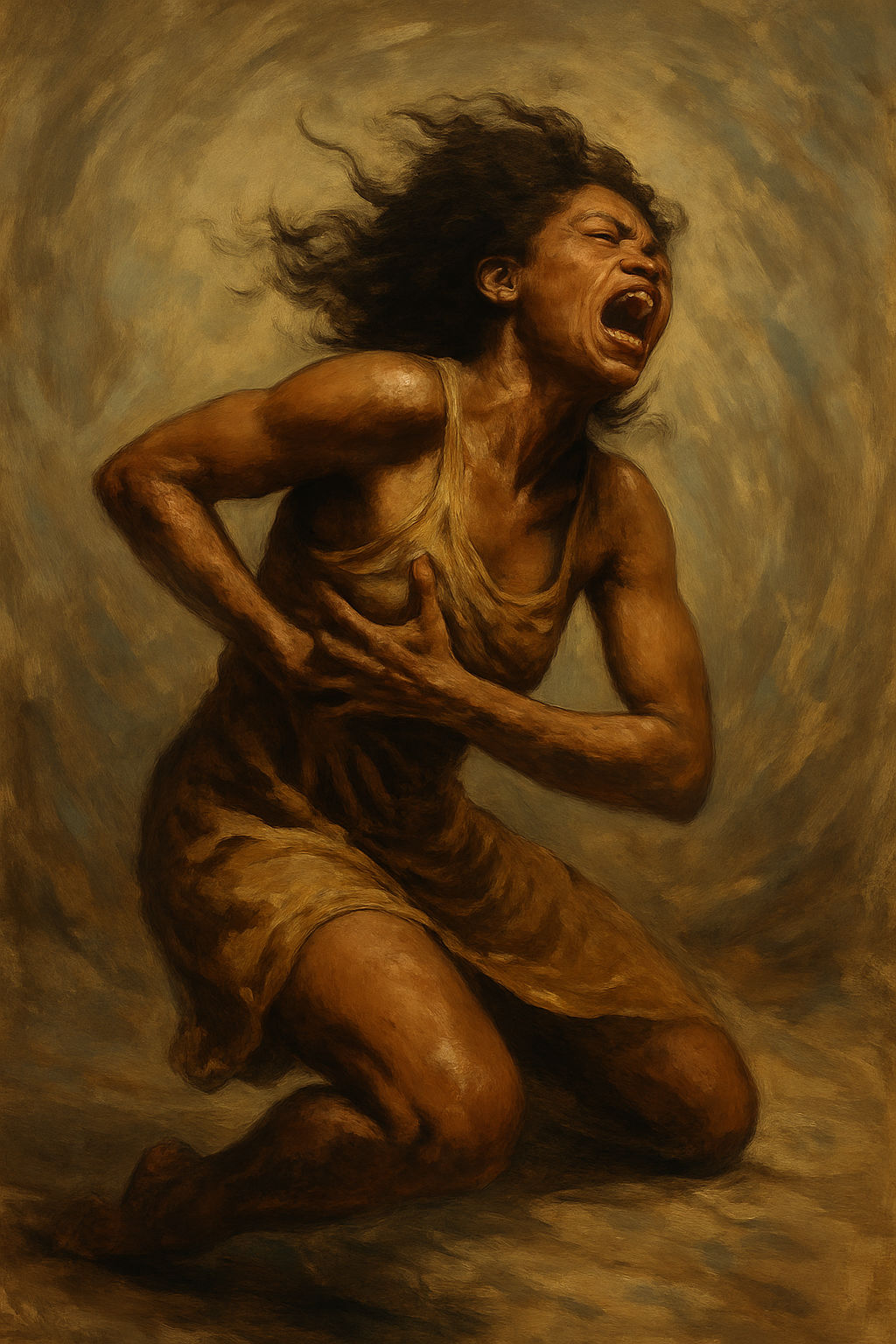
Movement as Memory: Why Trauma Lives in the Body
This post breaks down the science behind why trauma gets stored in the body and how movement—without performance, mysticism, or metaphor—can help complete the survival responses that were interrupted in childhood. Especially helpful for those deprogramming from religious frameworks.
From Myth to Mind: Reclaiming Reality After Religious Disconnection
This isn’t a story of mental illness—it’s the story of waking up. After a childhood severed from emotional and historical context, one person’s experience with psychedelics broke the spell and reconnected them to their inner world—and the real human timeline.
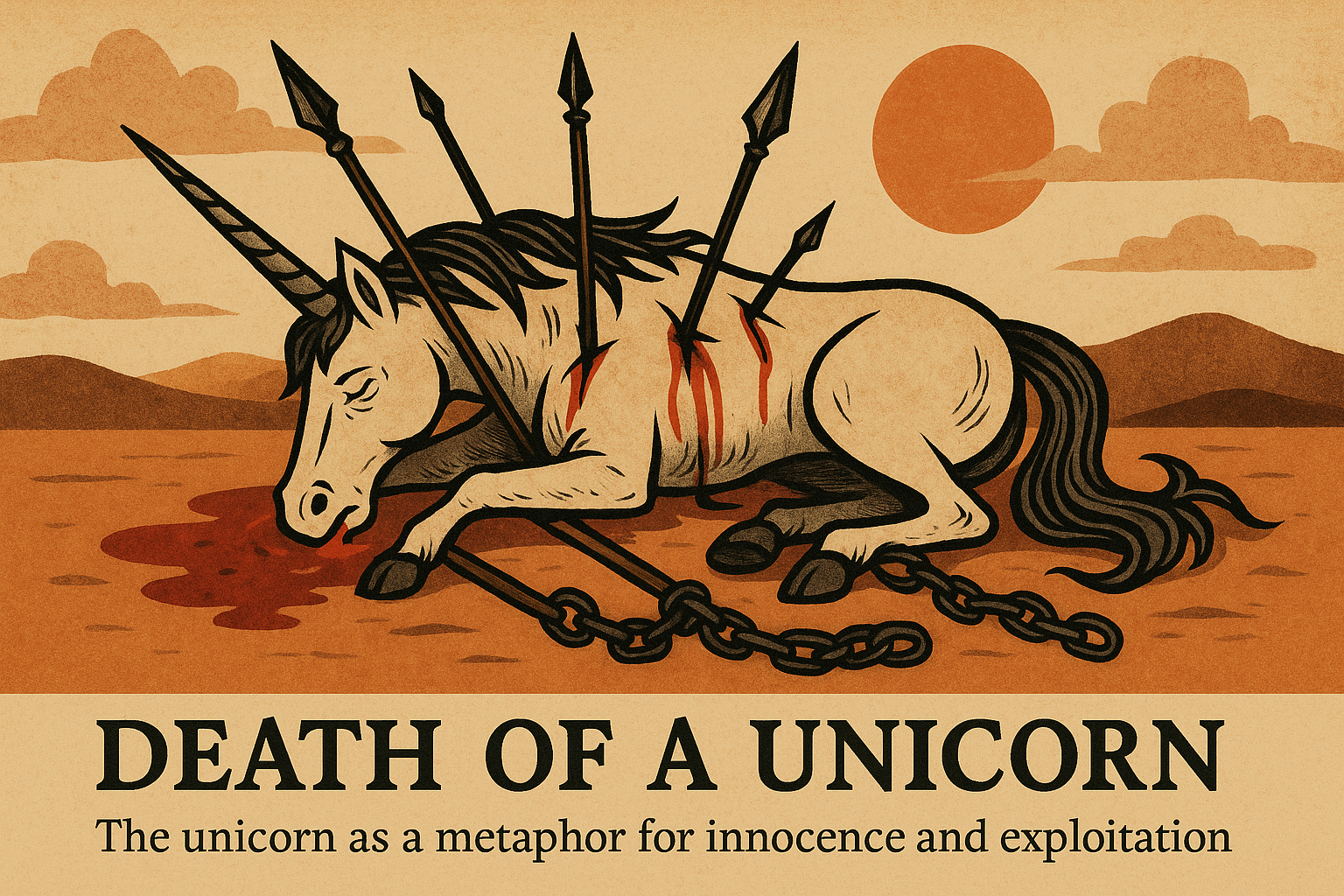
Reclaiming the Unicorn: Innocence, Exploitation, and Sacred Defiance
Death of a Unicorn resurrects a potent symbol—wild, untouchable, and misused. It asks what happens when the sacred refuses to be sacrificed and what it means to reclaim what was once hunted in you.
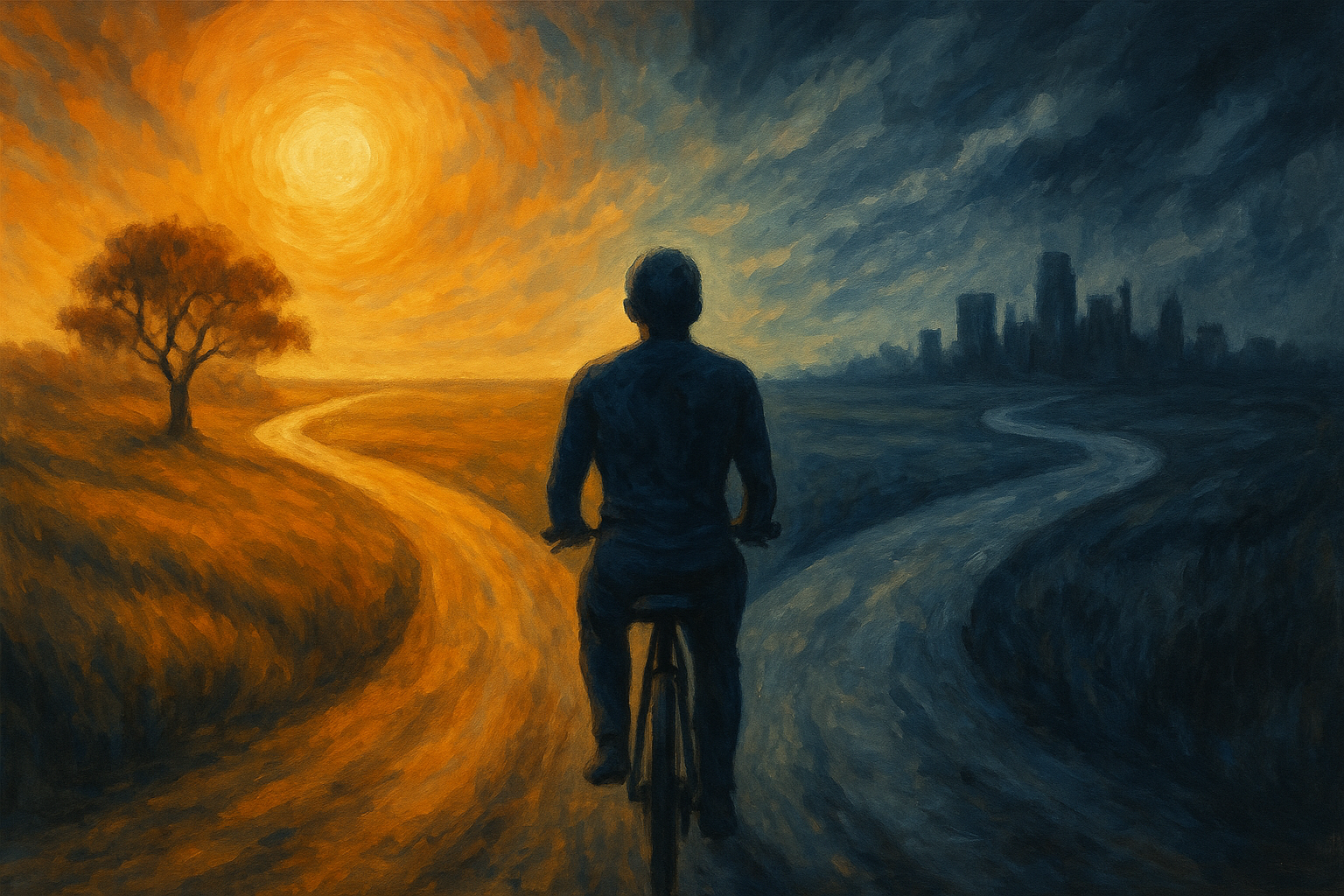
Shifting Focus: Rebuilding My Relationship with Movement
After years of avoidance, I'm turning my attention toward physical activity—not for fitness goals, but to understand what my mind does when I move. This isn’t about performance. It’s about contact.
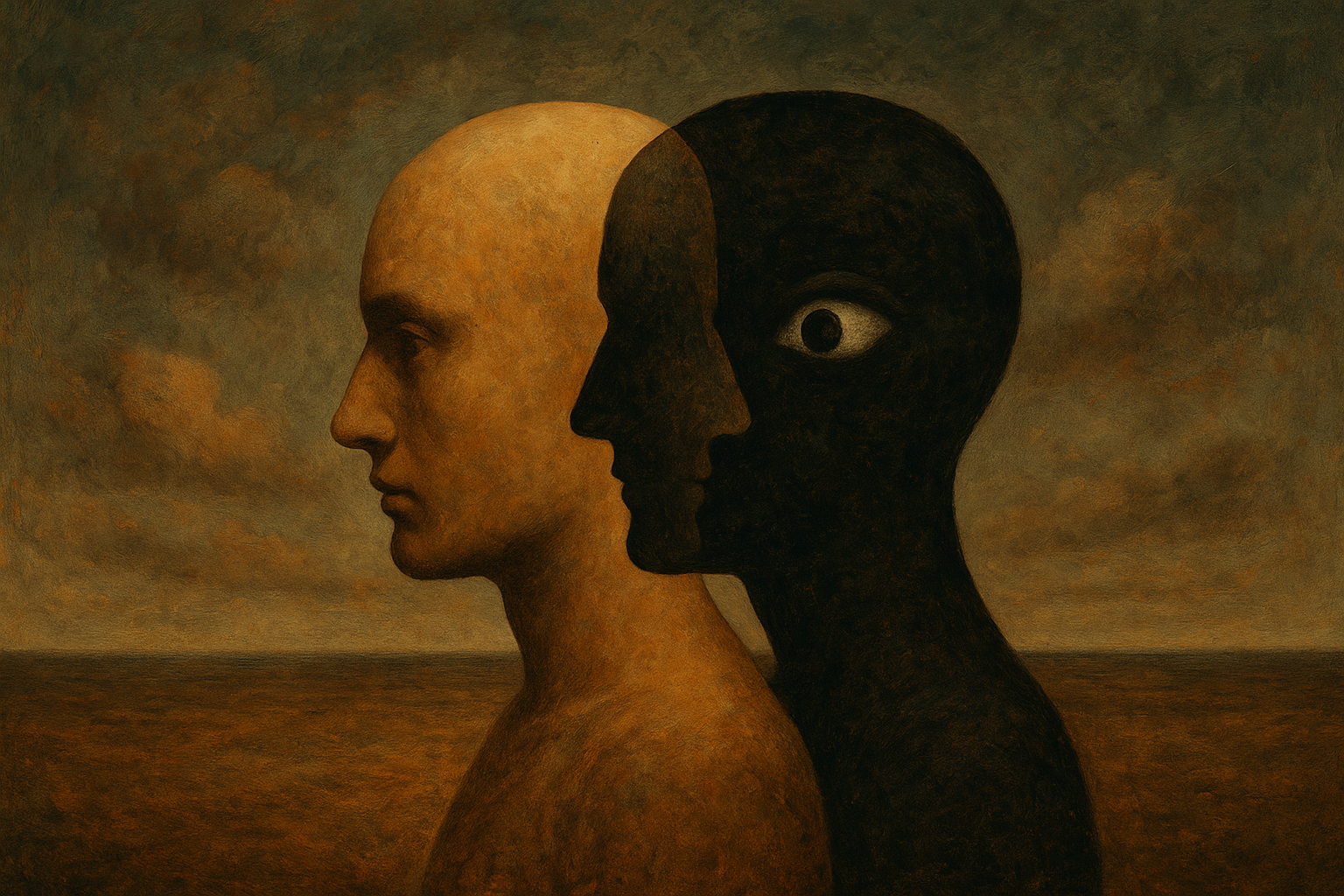
Diagnosed or Conditioned? Rethinking ADHD, Intelligence, and Identity After Trauma
After years of therapy, deconstruction, and existential crisis, I’m realizing that what looked like ADHD or giftedness may have been survival strategies. This piece explores what it means to question those labels while rebuilding identity from the inside out.
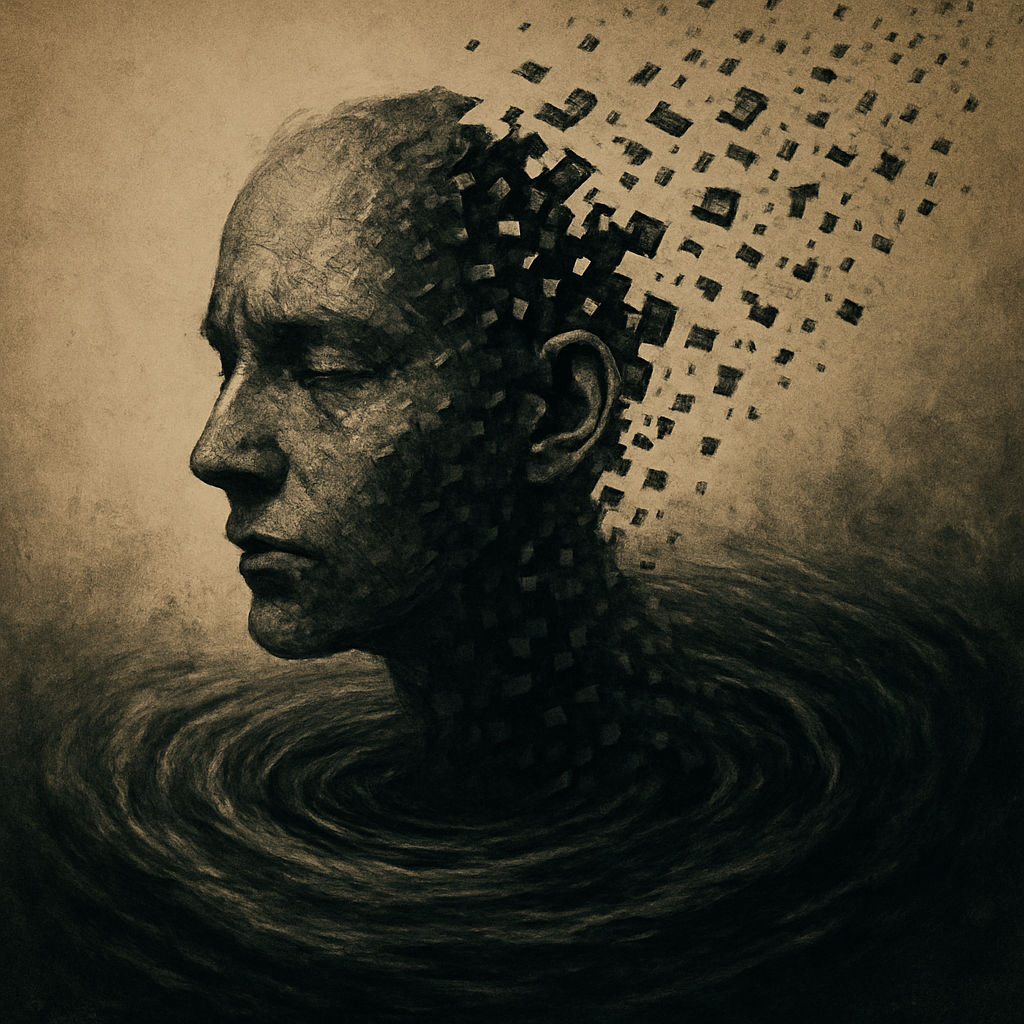
The Mind That Watches Itself: Living Through Hyperawareness and Identity Recovery
When your thoughts start watching themselves and your selfhood feels like a mask, it’s not madness—it’s a sign that something deeper is surfacing. This is what happens when lifelong emotional neglect and religious control finally get exposed.
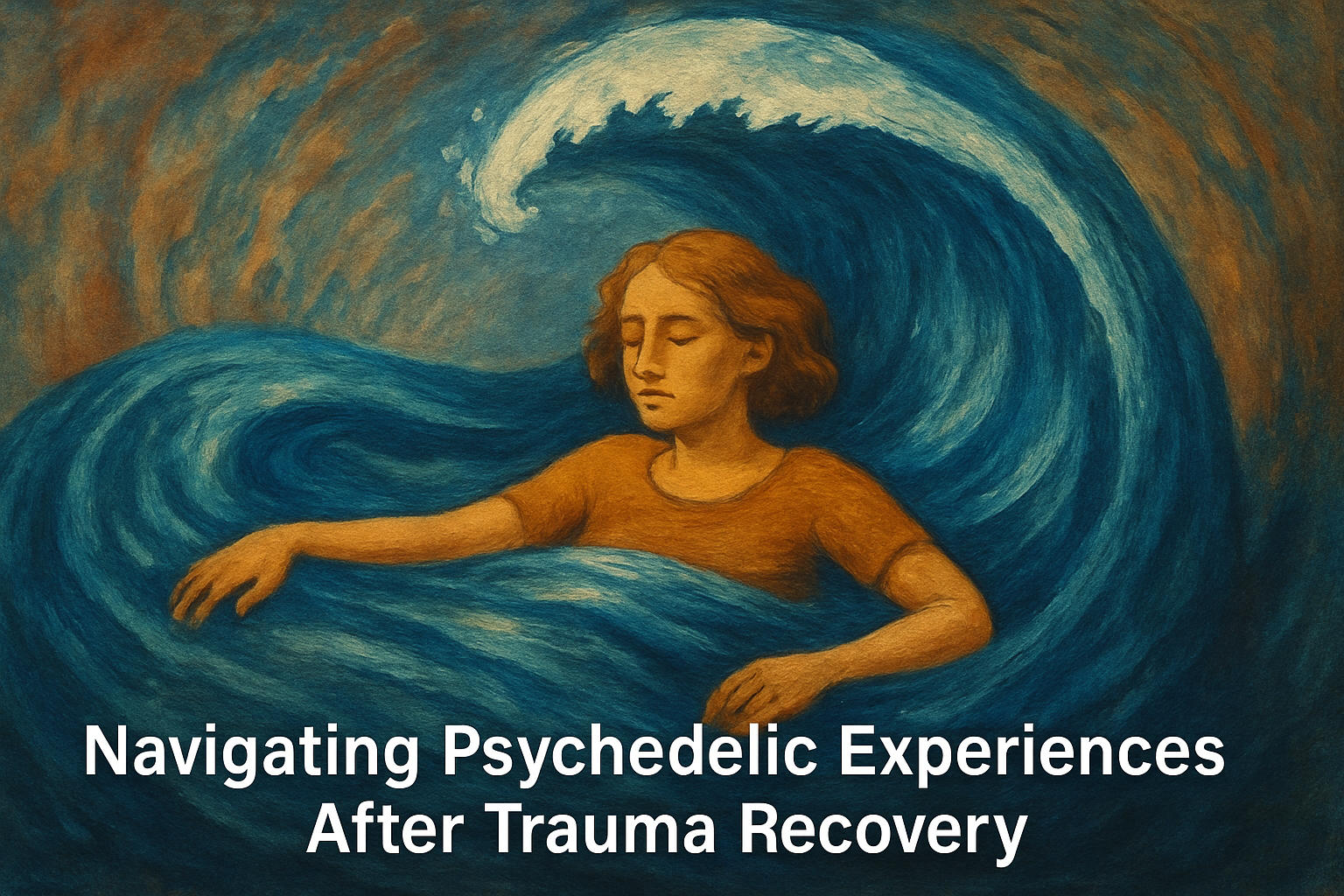
Meeting the Programming: How Internalized Disgust Reveals the Cultural Source Code
When I pay attention to my body, what I find isn’t peace—it’s disgust. But that disgust isn’t mine. It’s inherited. It’s cultural. And it’s showing me the source code I was never supposed to see. This isn’t failure. It’s the beginning of contact.
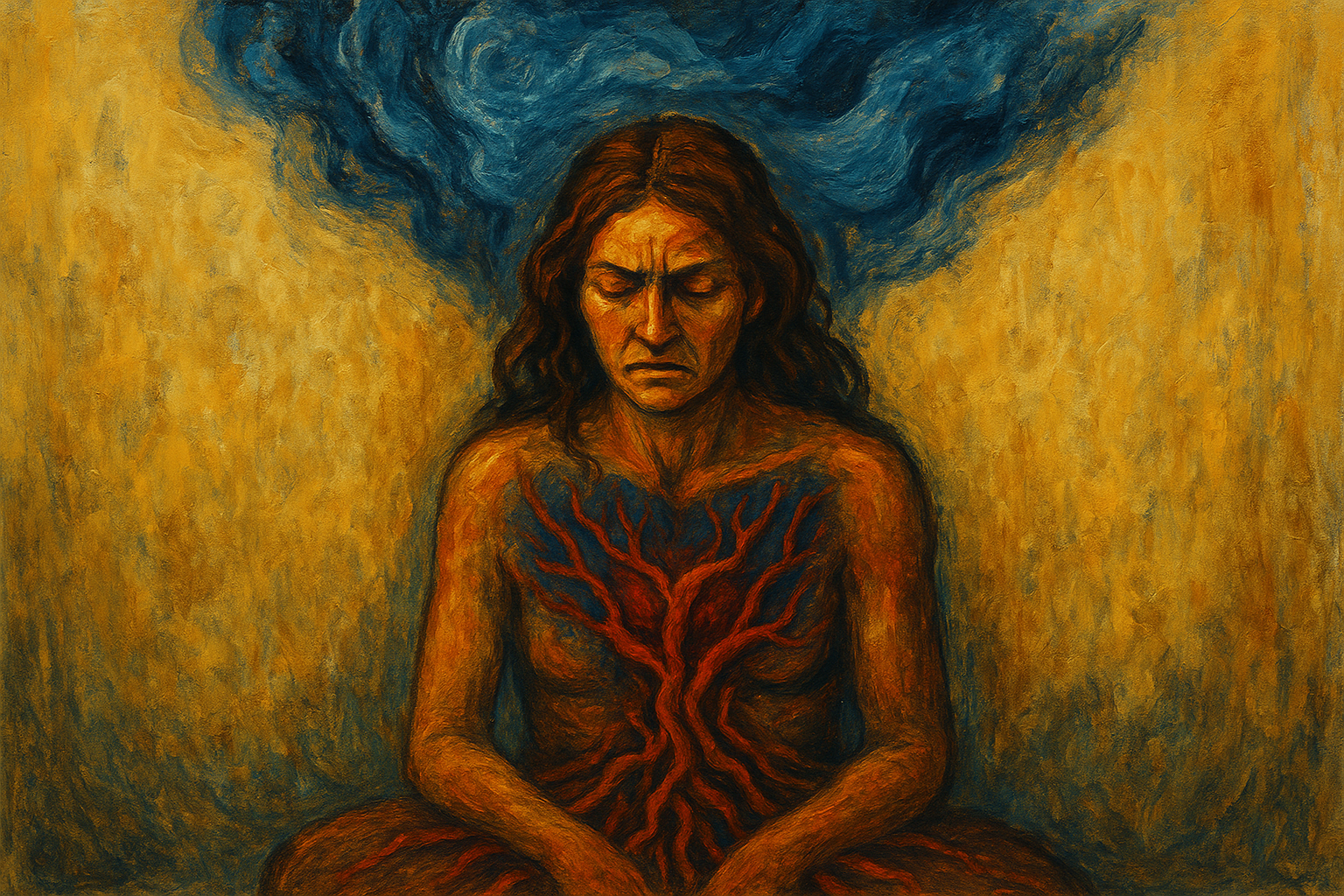
When the Old Coping Tools Stop Working: Mid-Abyss Survival
What happens when the things that once grounded you—like weeding, working, or even binge-watching—suddenly feel hollow or compulsive? When your nervous system starts to unwind after years of override, even rest can feel like collapse. This piece explores the quiet panic of that in-between state, where the only thing left to do is feel.
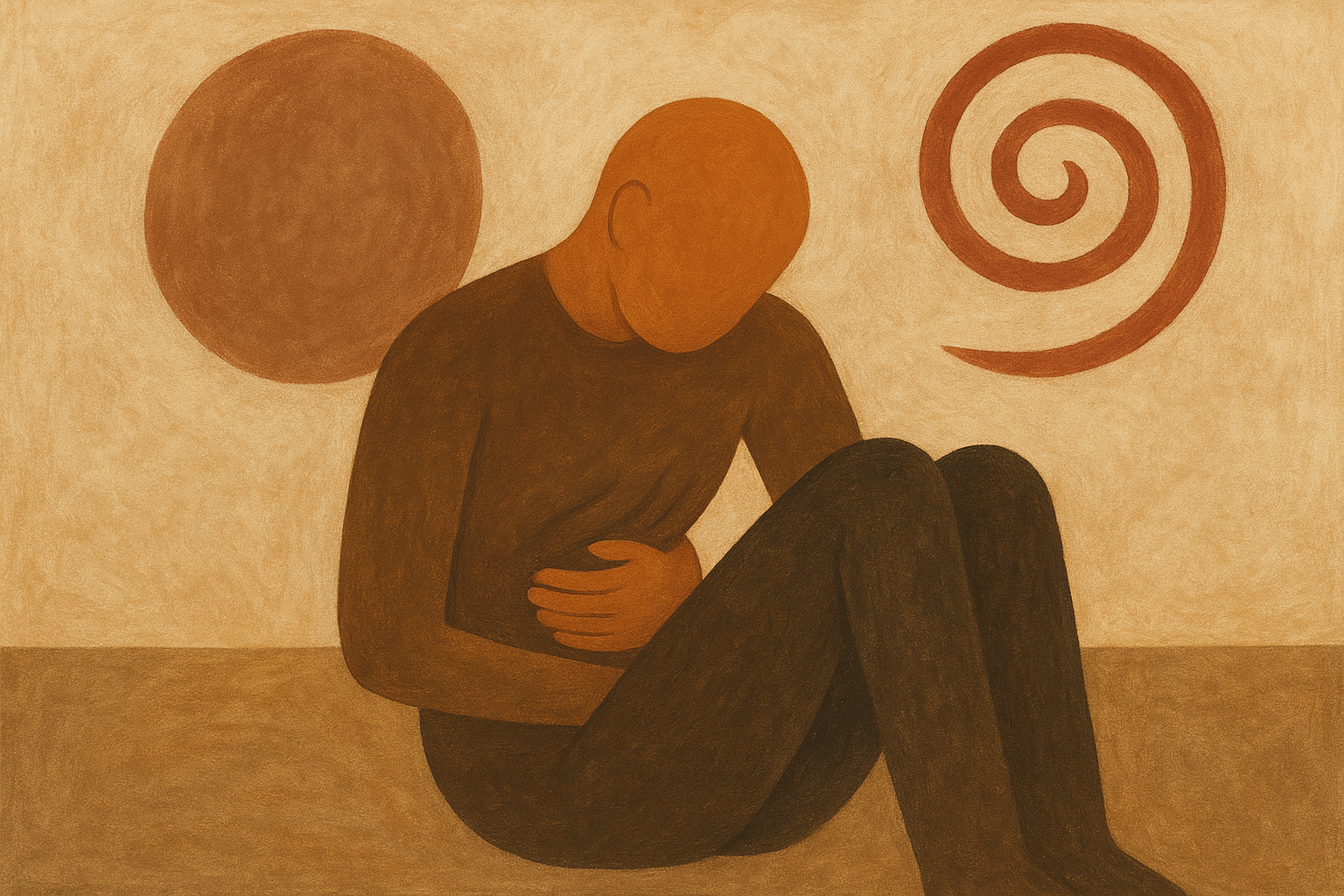
Why Art Feels Mystical When It’s Just Emotional Plumbing
This piece explores how art became mystified, why many of us feel cut off from it after trauma, and what it really is underneath the performance: a primal way to release internal pressure in a world that gave us no safe outlet.
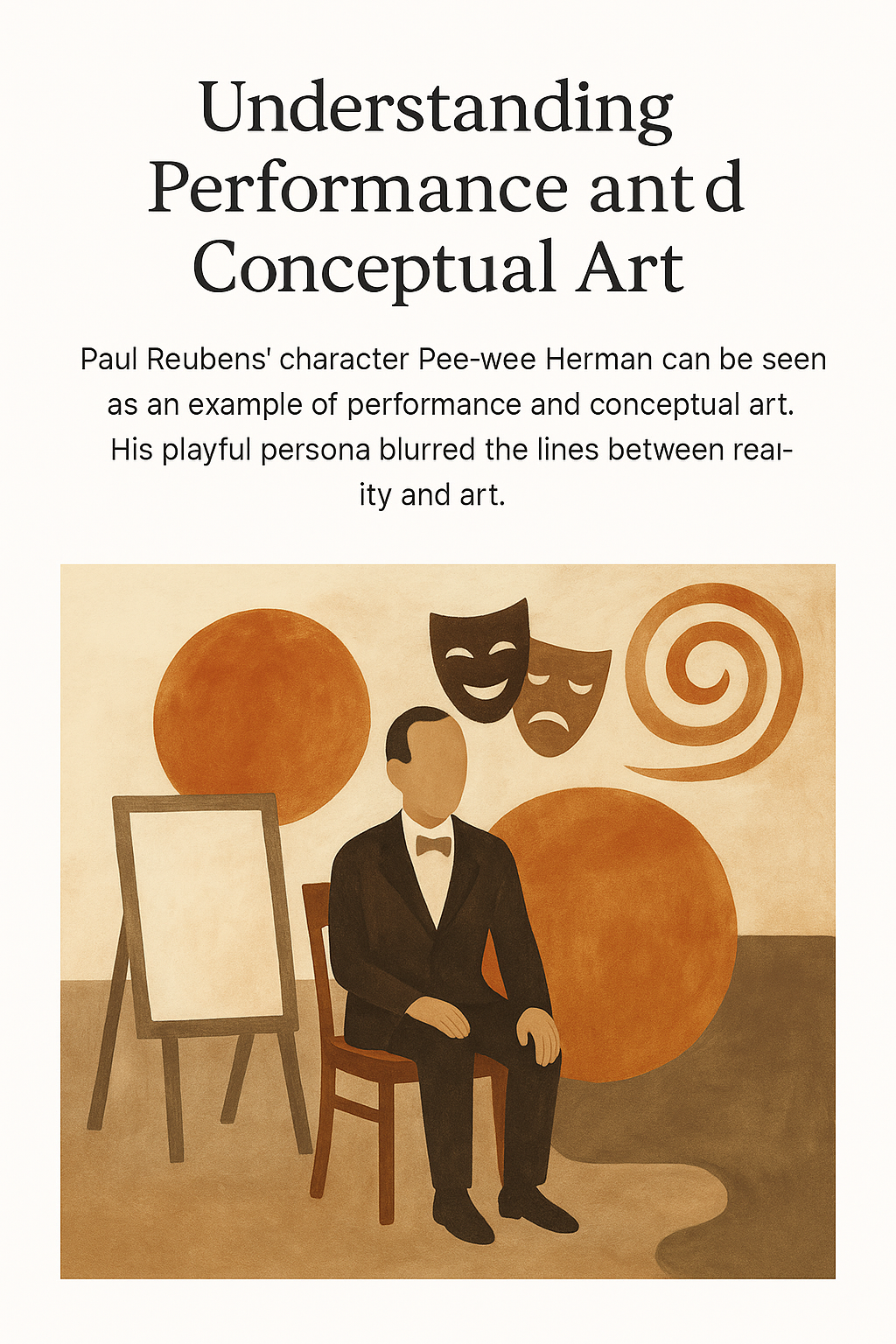
What Is Conceptual Art? Understanding the Intention Behind the Confusion
This post explores how conceptual and performance art challenge the definition of art itself—using Paul Reubens’ Pee-wee Herman character as a case study. If you’ve ever felt confused, alienated, or curious about this kind of art, this is for you.