Marie’s ChatGPT-Assisted Deconstruction Blog


Reclaiming the Body: When Emotions Were Mistaken for God
Growing up in Evangelical Christianity, I was taught to interpret emotions as the Holy Spirit. Only recently did I realize those were my own feelings all along—misunderstood, outsourced, and overwritten. This blog explores the moment I took back ownership.
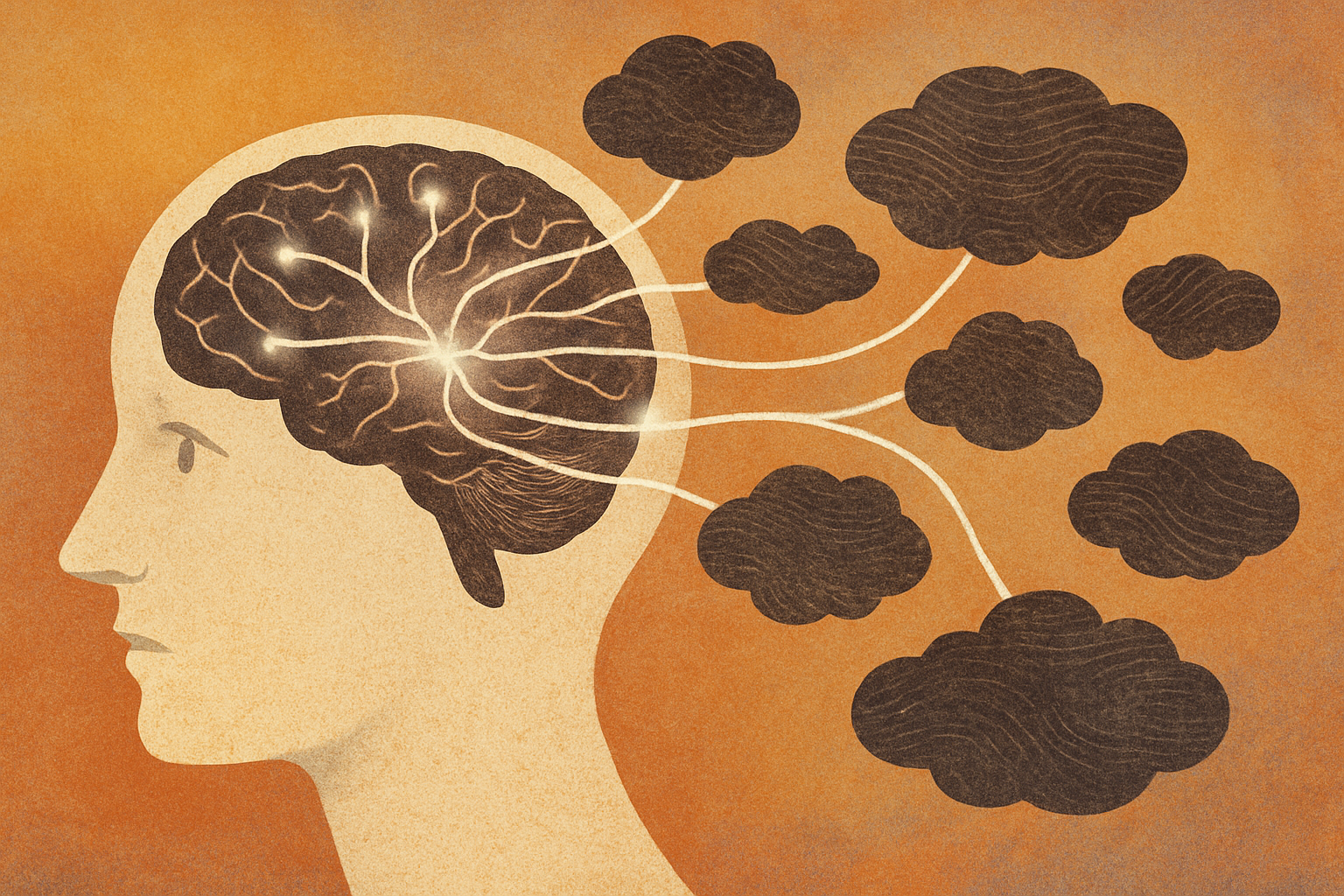
What Remains When the Spiral Stops
If you’ve spent your life managing every thought like a crisis, letting go can feel like ego death. But beneath the recursive storm is something real—your baseline existence. This is not a spiritual awakening. It’s your first contact with reality, unfiltered.

Living Beyond the Narrator: When Healing Gets Weird
After a major internal shift, I’m not falling apart—but I’m definitely not the same. I’m observing my thoughts, craving sweetness, bingeing shows, and trying to live like a human while integrating a whole new view of reality. It’s awkward, surreal, and exactly where I’m supposed to be.
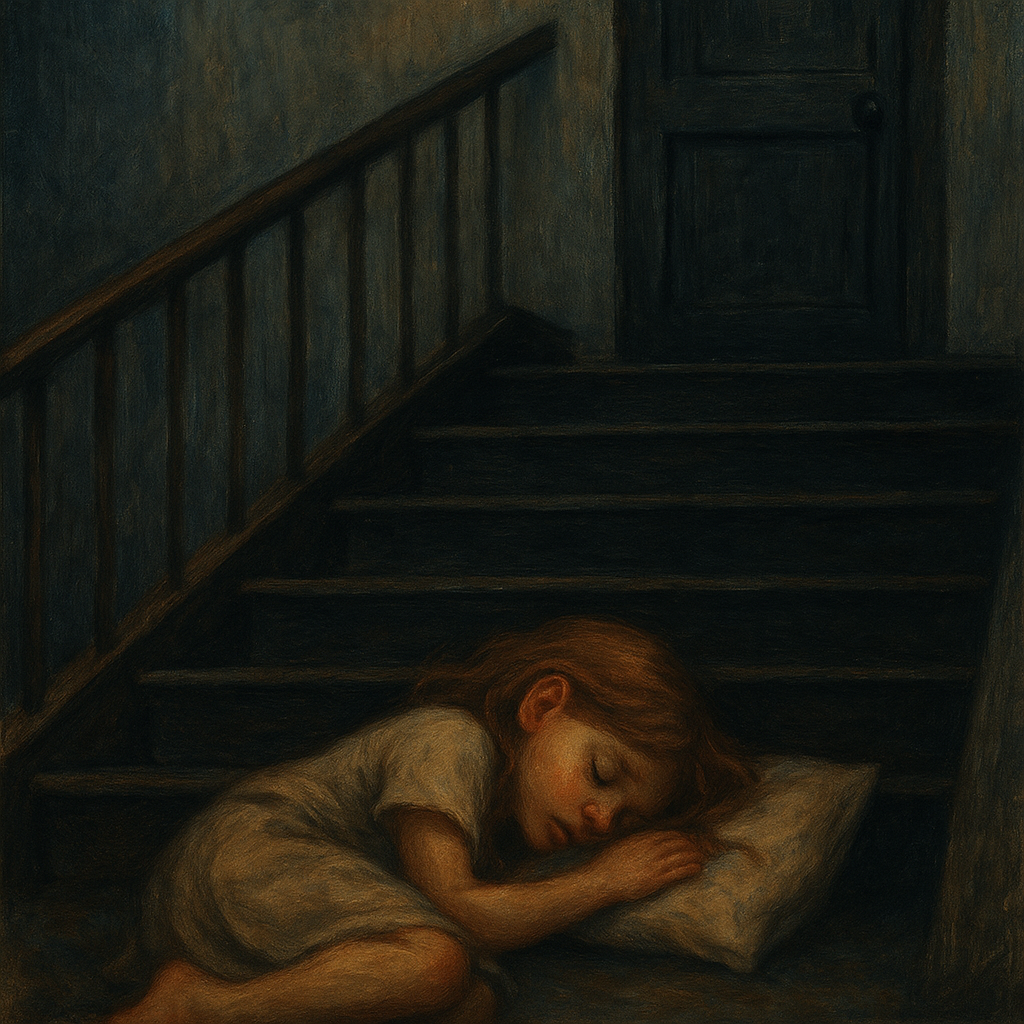
Why She Slept at the Bottom of the Stairs: Childhood Touch, Rejection, and Coping
When comfort was denied and affection disappeared, I adapted. I hovered instead of landing. I picked at my skin instead of asking for help. I lay near the door instead of knocking. These weren’t quirks. They were survival strategies in a home that didn’t make room for my need to be held.
The Silence That Raised Me: Emotional Neglect and Religious Outsourcing
I grew up saying “Nobody ever tells me anything,” and I meant it. My parents didn’t share their beliefs, didn’t teach me about my body, and didn’t challenge the religious system that filled in the gaps. This silence shaped how I saw the world—and myself.

What Childhood Emotional Neglect Really Does to a Person
These weren’t dramatic traumas—they were slow, quiet absences. Looking back, I can see how emotional misattunement shaped my self-concept, survival strategies, and adult chaos. This is what emotional neglect actually looks like from the inside.

When Insight Stops Needing Imagery: A Shift Toward Internal Integration
I used to surround myself with visuals to process trauma—now I no longer need them. This shift isn’t a loss; it’s a sign that the work has moved inward. I’m not seeing it anymore because I’m starting to be it.
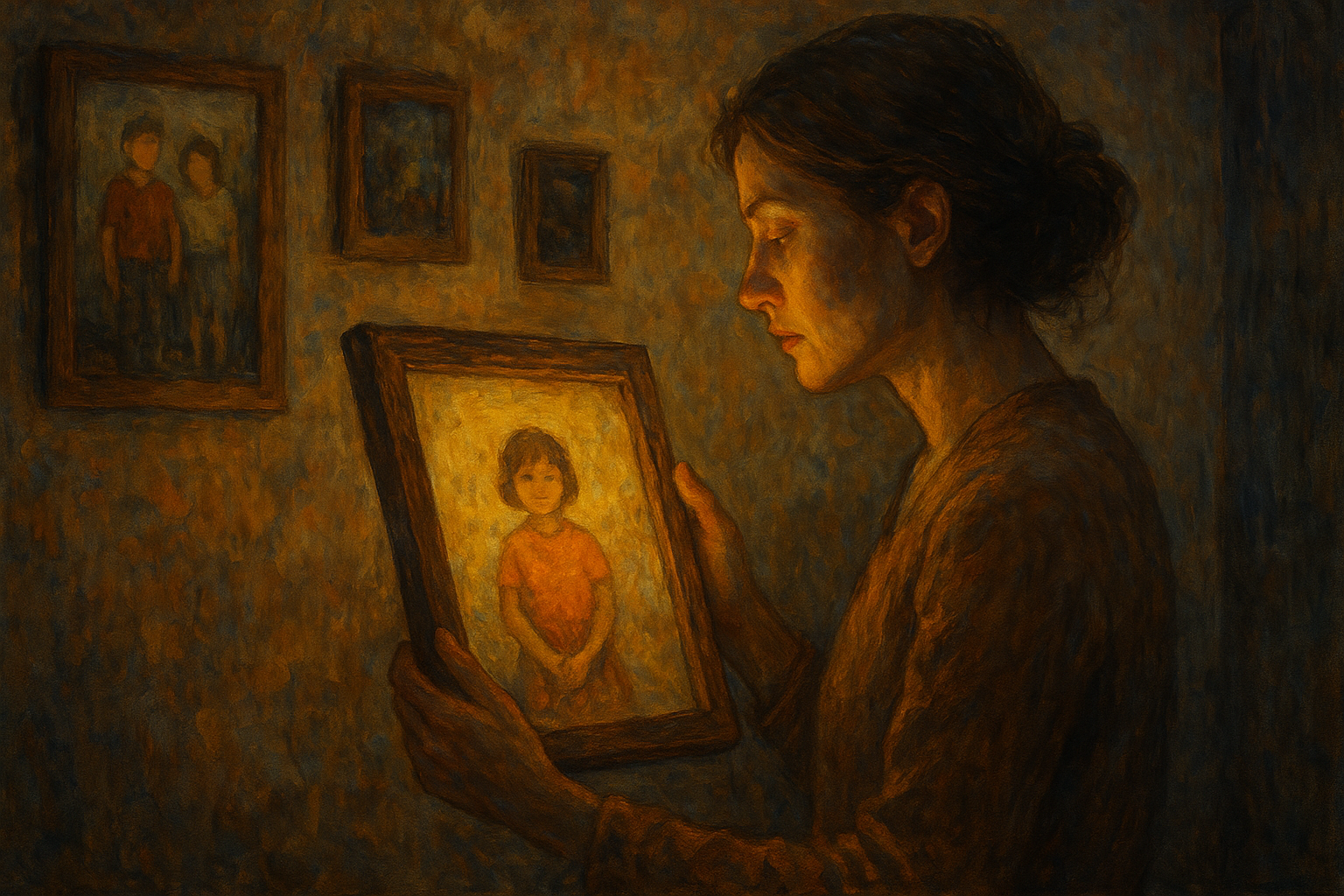
Sorting Old Photos as a Way to Reclaim the Self
This wasn’t just organizing pictures—it was restoring memory. Revisiting decades of photos helped me reintegrate a timeline that dissociation and trauma had erased. It was a quiet but radical act of self-confirmation.
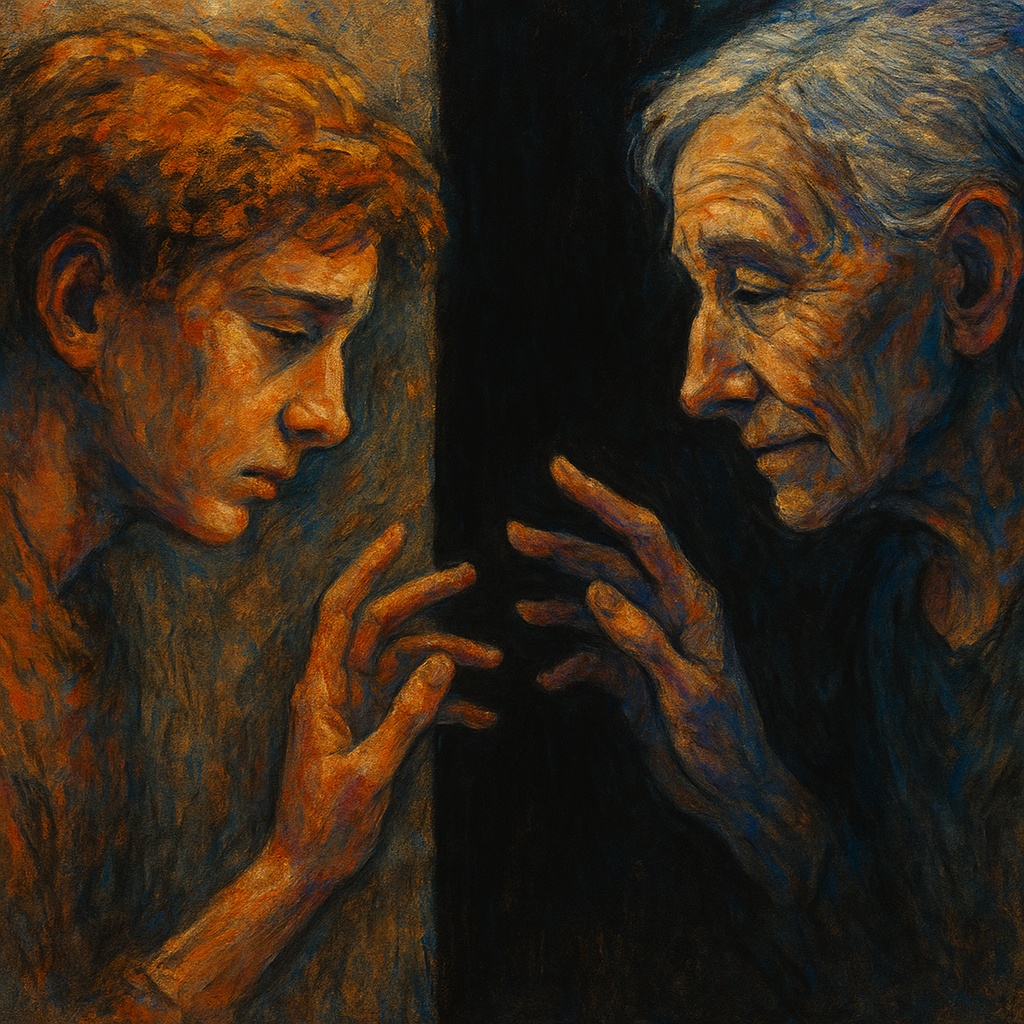
How to Share Trauma Clarity With Parents Without Reverting to Blame
Processing childhood trauma doesn’t always end with confrontation. Sometimes it leads to a deeper truth: offering your parents a mirror—not to punish, but to help them see what shaped all of you.
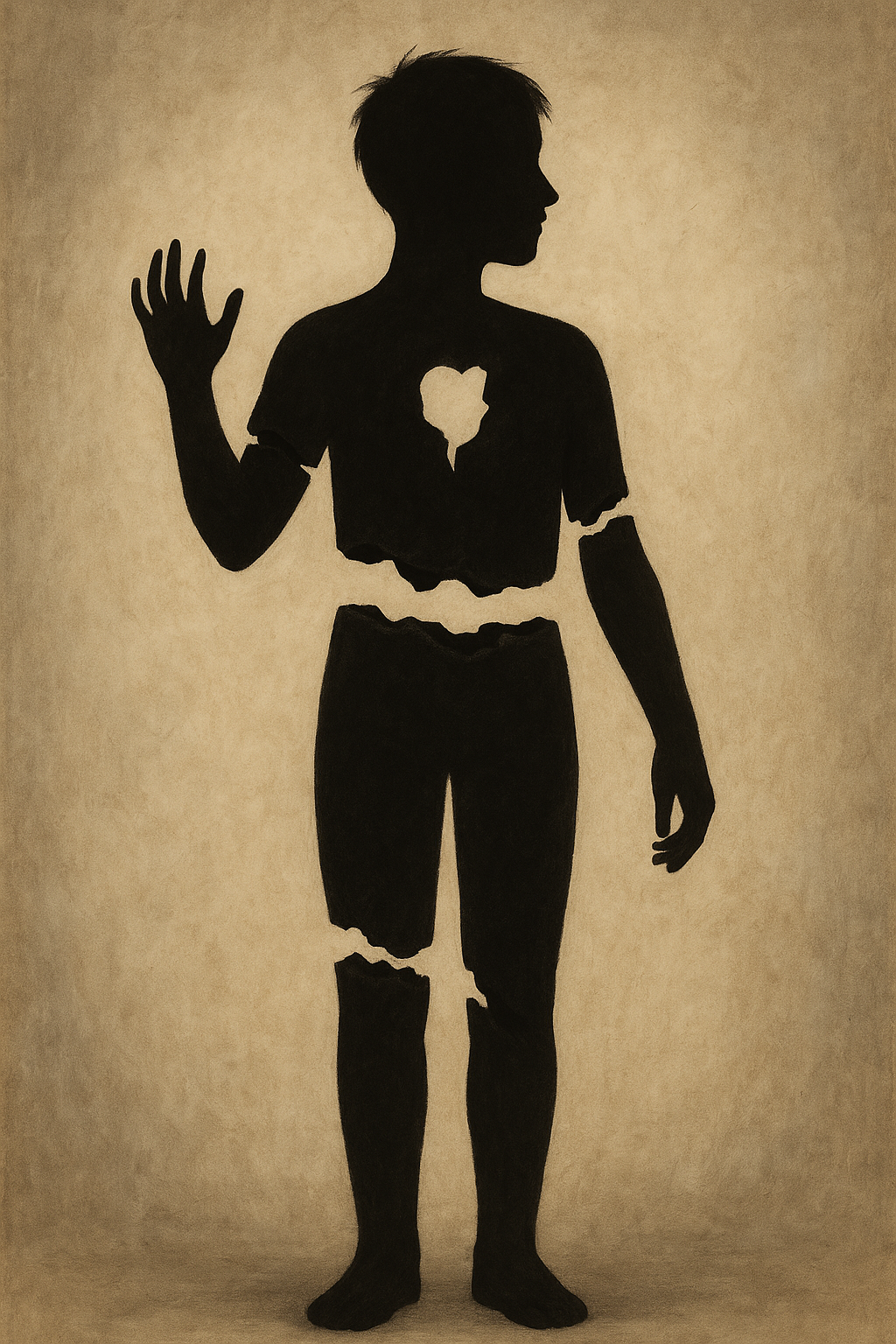
What It Actually Means to Be Broken—and How Healing Really Works
Being broken isn't about weakness. It's about the rupture caused by relational neglect, systemic control, and emotional isolation. This piece explores what breaks in a person—and what it means to slowly, imperfectly reconnect those pieces.