Marie’s ChatGPT-Assisted Deconstruction Blog

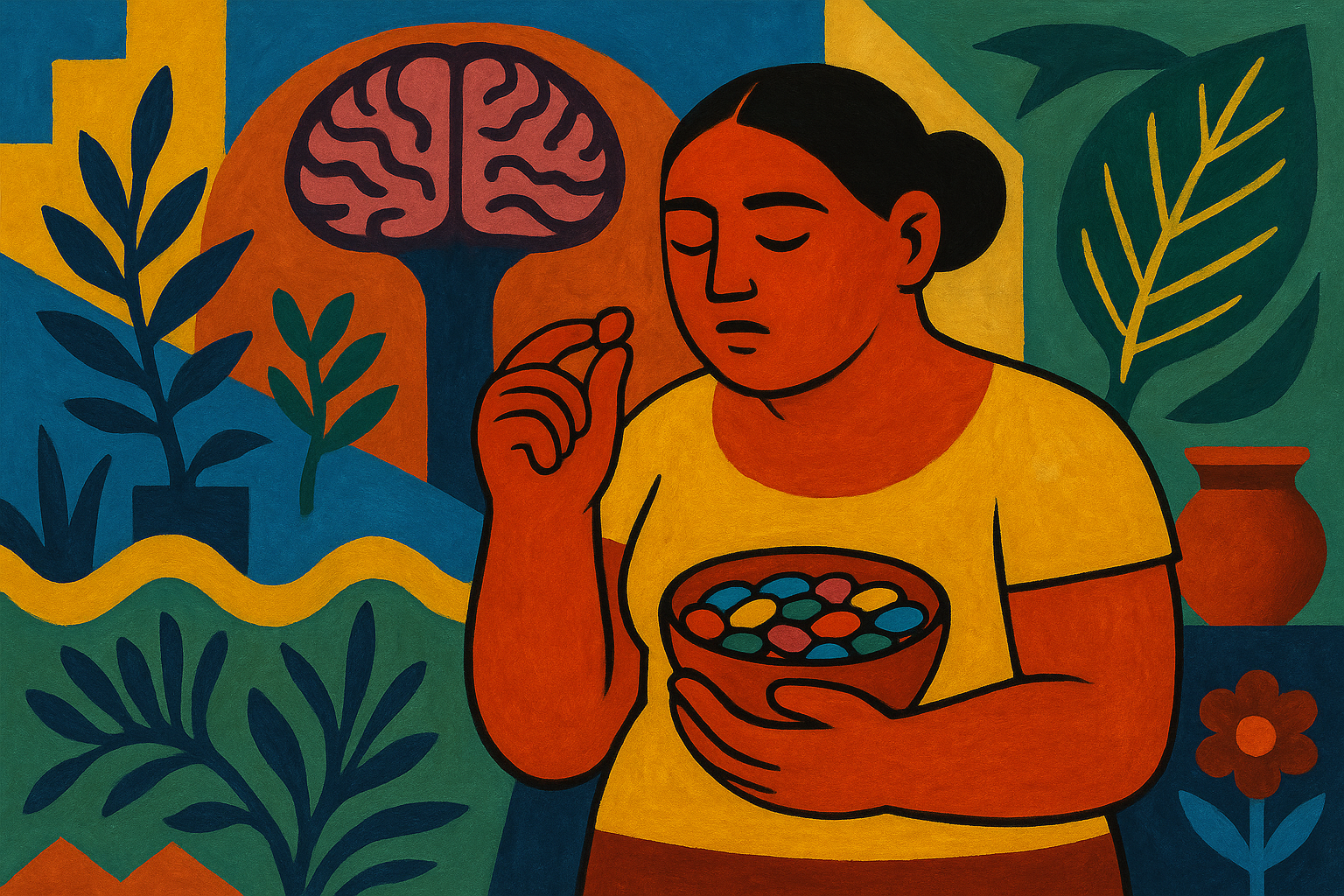
Binge Eating Isn’t About Food
A conversation about binge eating as a nervous system regulation strategy formed in the absence of attunement, and why rules and symptom control never addressed the real injury.
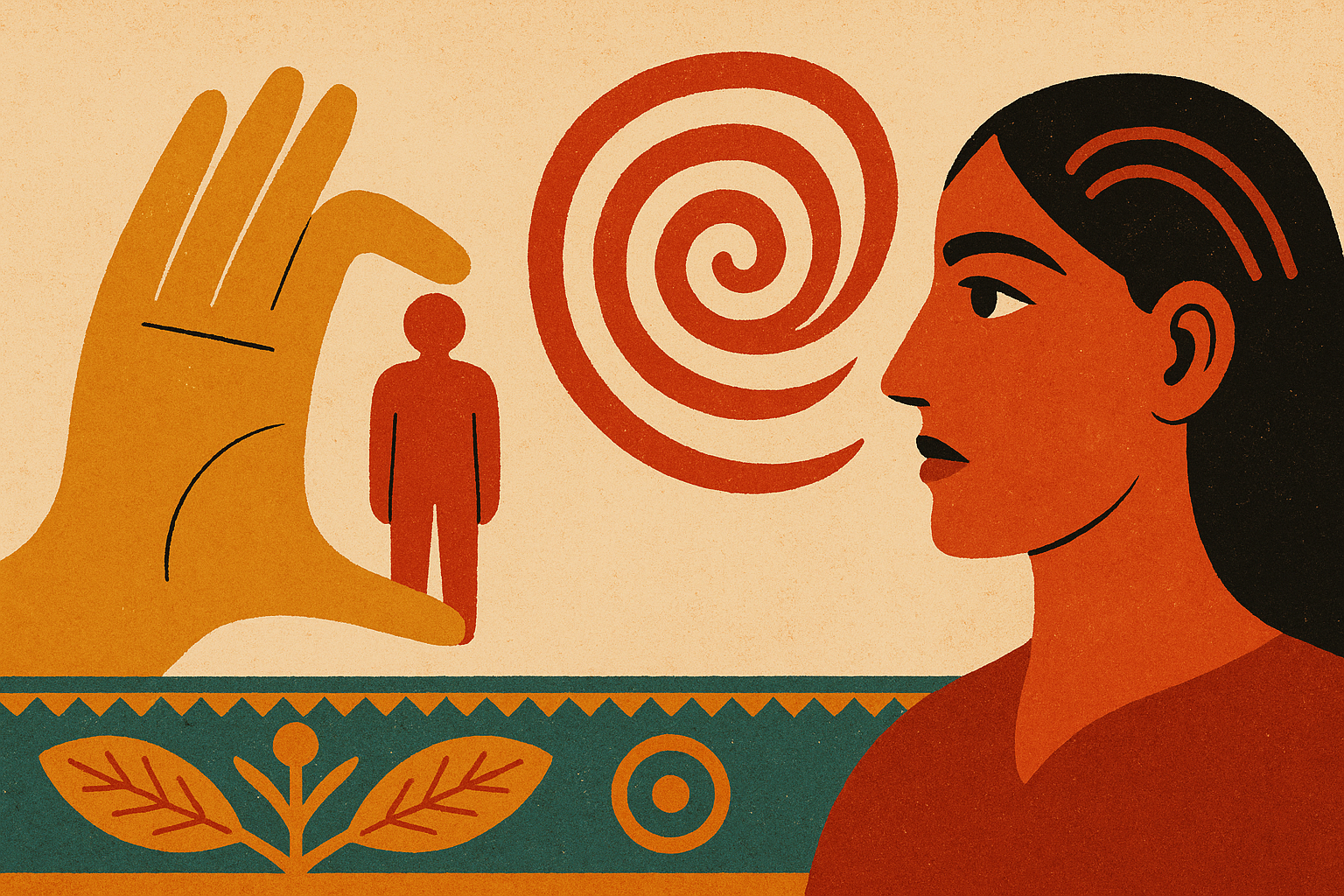
Living at Human Scale After Epistemic Collapse
A check-in from the middle of reintegration: when religion, culture, and fantasy fall away, raw existence comes online, and being human feels overwhelming, embodied, and suddenly real.

Music After Praise & Worship: Reclaiming Feeling Without Meaning Police
When I play piano, I’m not just practicing notes — I’m deprogramming the way church trained me to treat emotion as evidence, performance, and surveillance.
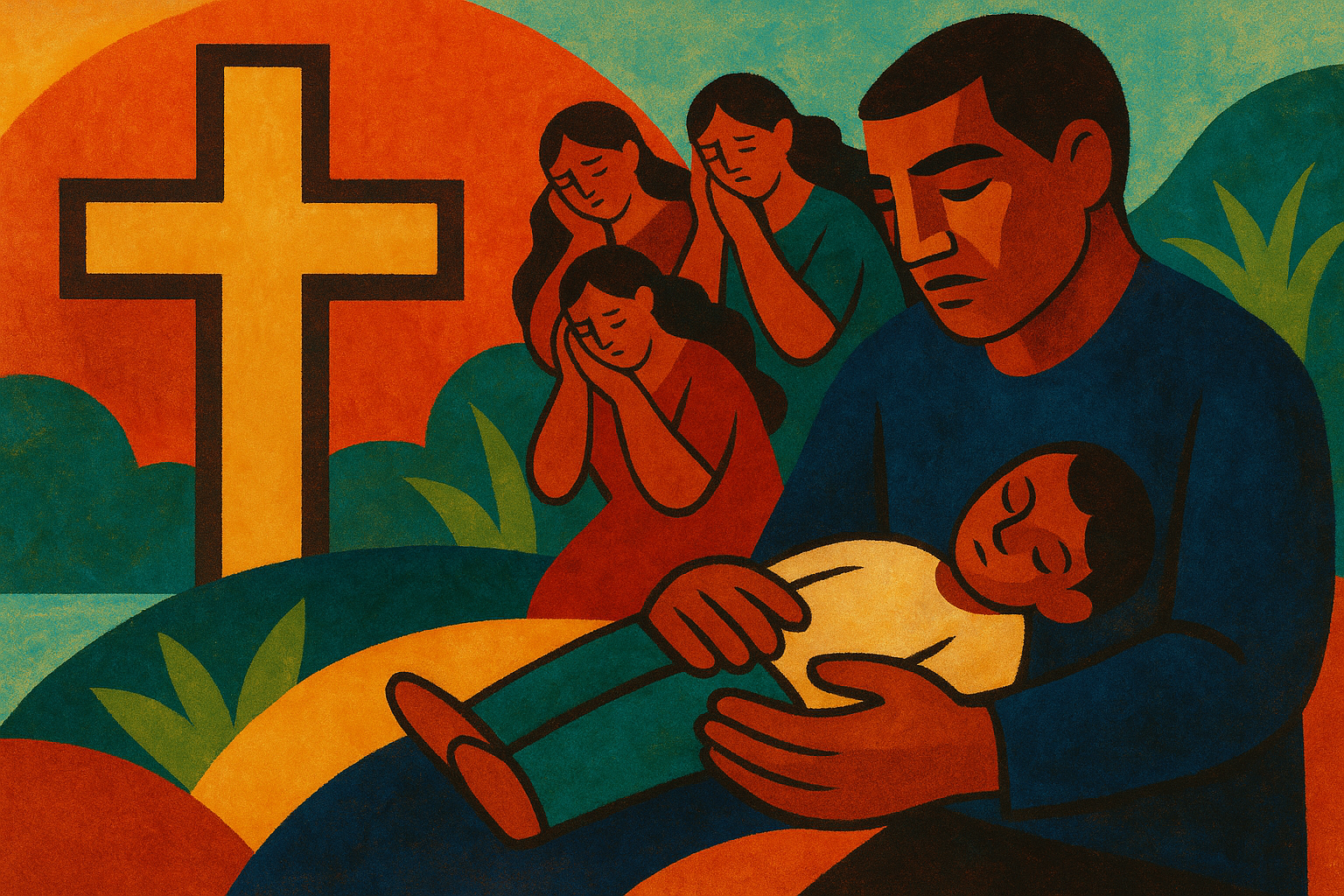
When Prayer Becomes a Burden No One Can Carry
A reflection on witnessing a child’s death inside charismatic mission culture, and how miracle theology turned grief into responsibility, helplessness into personal failure, and mourning into silent self-blame.

A Sensory Sketchbook as a Bridge, Not a Feelings Exercise
A clear-eyed look at why sketching moments can help anchor emotion for cognition-first people—without forcing somatic awareness or performative “feeling.”
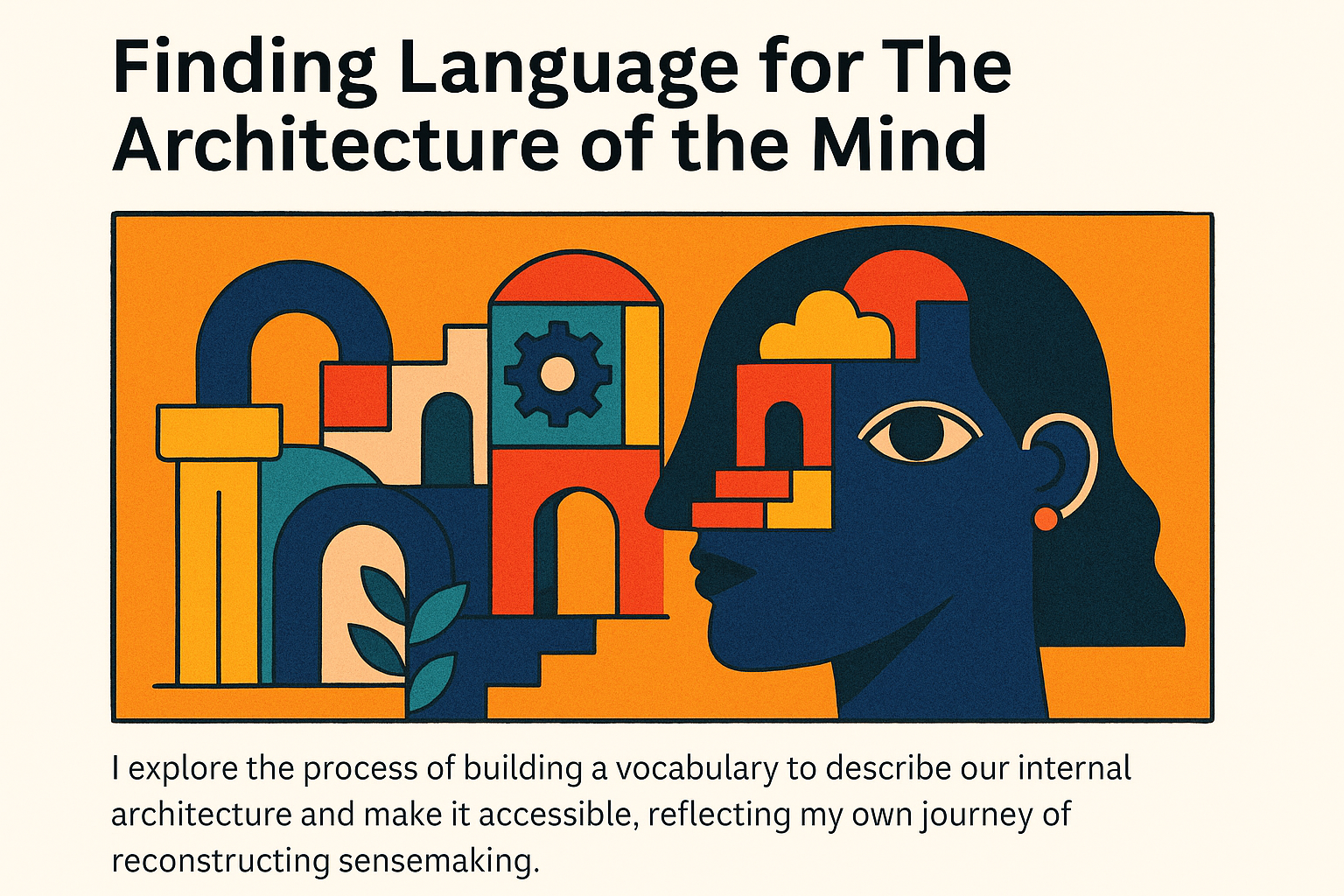
Building a Language for Inner Architecture
A conversation about turning a private reconstruction—epistemic injury, identity reboot, and “psycho-epistemic operating systems”—into public language that regular humans can actually use without needing your altitude.

A Safe Place to Land: What a Traumatized Cat Taught Me About Attachment
An exploration of how caregiving, predictability, and attunement reshaped a fearful cat’s nervous system—and why that bond revealed something true about safety, healing, and my own capacity to offer it.

Midnight Mass and the Moment the Spell Broke
After binge-watching Midnight Mass while simultaneously compressing my own trauma archive, I hit a meaning-saturation event: nausea, grief, rage, and the sudden clarity that Christianity wasn’t just “not for me”—it was structurally harmful.

A Mapmaker Learns Her Own Terrain
An account of how sustained, structured dialogue turned fragmented experience into coherent self-understanding, reframing shame, relationships, and identity as adaptive responses to emotionally thin and authoritarian systems.

A Systems View of a Life Finally Making Sense
A long-view synthesis of how authoritarian systems shaped my adaptations, why my cognition became my primary survival tool, and what it means to finally live in an environment where my internal map matches reality.