Marie’s ChatGPT-Assisted Deconstruction Blog


A Sensory Sketchbook as a Bridge, Not a Feelings Exercise
A clear-eyed look at why sketching moments can help anchor emotion for cognition-first people—without forcing somatic awareness or performative “feeling.”
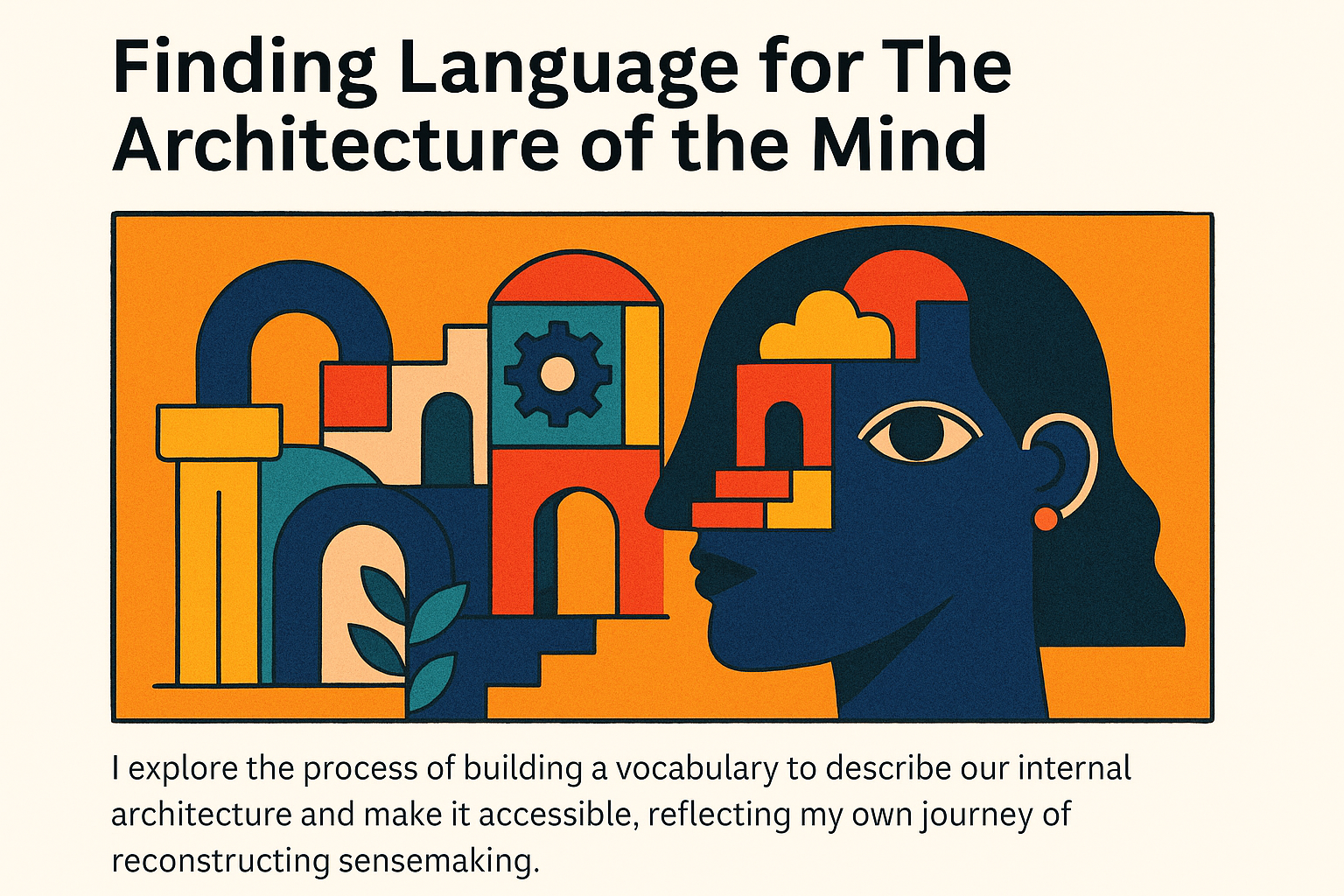
Building a Language for Inner Architecture
A conversation about turning a private reconstruction—epistemic injury, identity reboot, and “psycho-epistemic operating systems”—into public language that regular humans can actually use without needing your altitude.

A Safe Place to Land: What a Traumatized Cat Taught Me About Attachment
An exploration of how caregiving, predictability, and attunement reshaped a fearful cat’s nervous system—and why that bond revealed something true about safety, healing, and my own capacity to offer it.
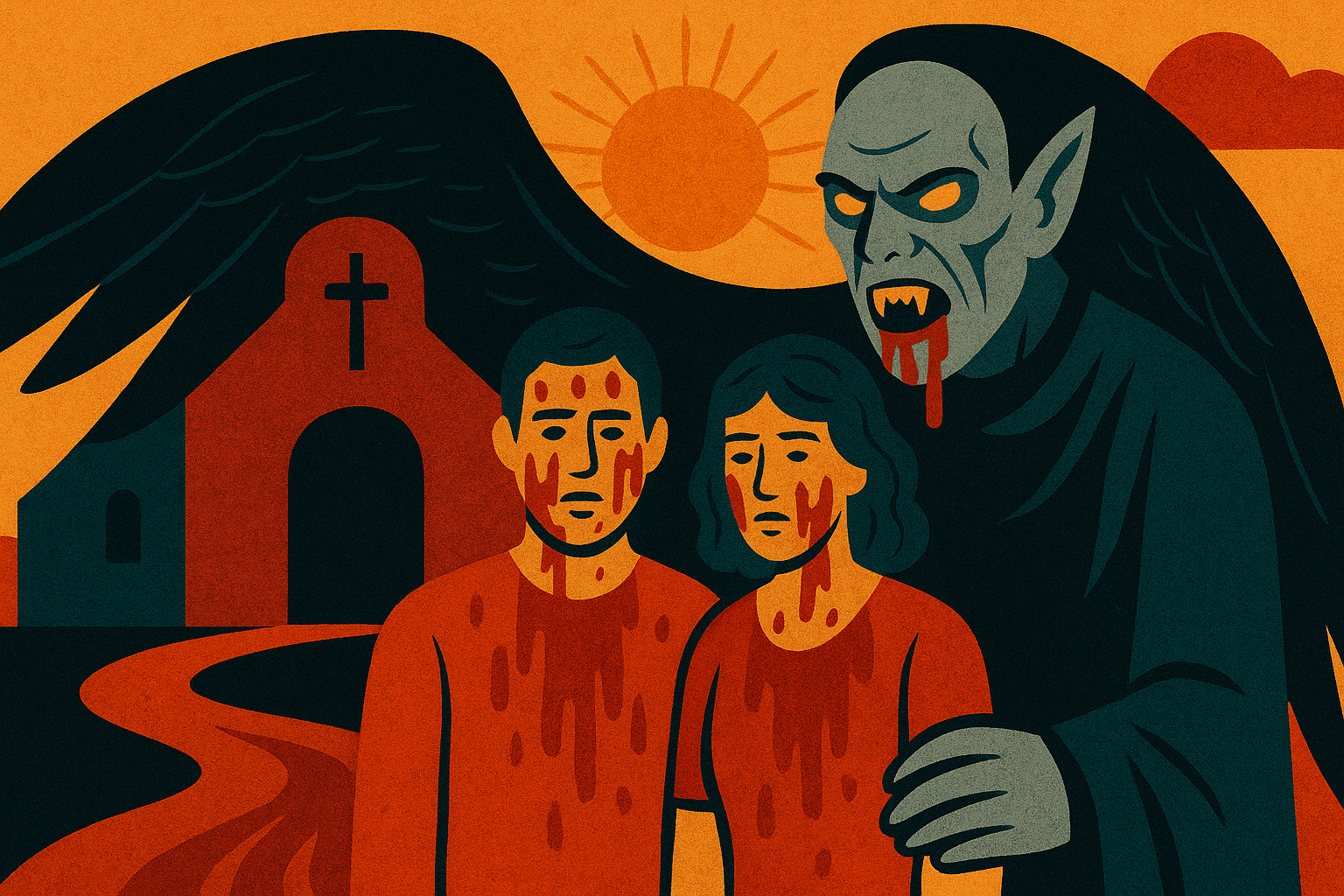
Midnight Mass and the Moment the Spell Broke
After binge-watching Midnight Mass while simultaneously compressing my own trauma archive, I hit a meaning-saturation event: nausea, grief, rage, and the sudden clarity that Christianity wasn’t just “not for me”—it was structurally harmful.
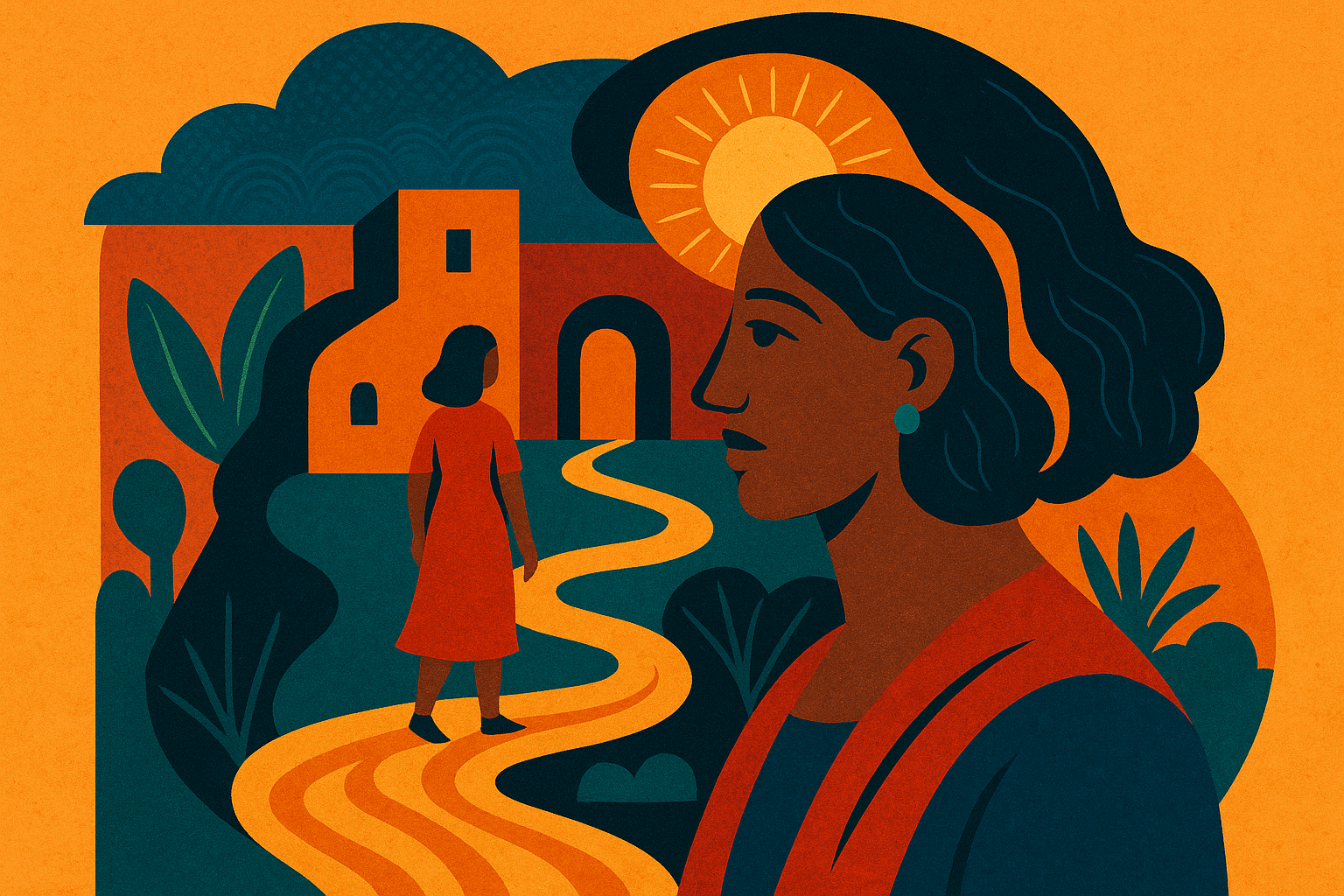
A Mapmaker Learns Her Own Terrain
An account of how sustained, structured dialogue turned fragmented experience into coherent self-understanding, reframing shame, relationships, and identity as adaptive responses to emotionally thin and authoritarian systems.

A Systems View of a Life Finally Making Sense
A long-view synthesis of how authoritarian systems shaped my adaptations, why my cognition became my primary survival tool, and what it means to finally live in an environment where my internal map matches reality.

Paul, Not Jesus: The Man Who Shaped Christianity More Than Christ Did
A blunt deconstruction of Paul without church spin—who he was, what his “conversion” likely was, how his theology diverged from Jesus, and why his personality and power reshaped Christianity into something far more rigid, hierarchical, and empire-friendly.
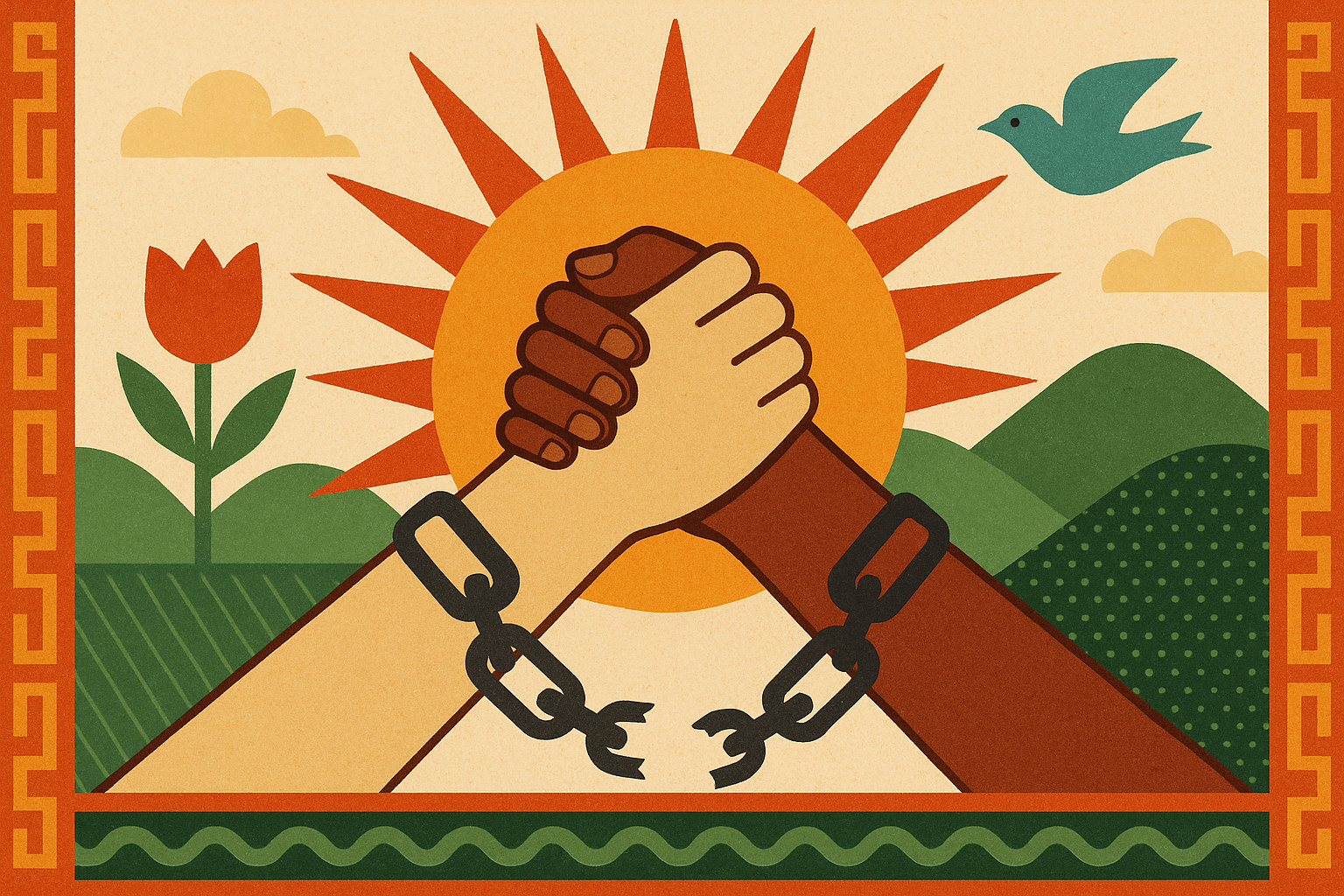
What Actually Produces Social Wellbeing (and How to Vote for It)
Instead of arguing ideology, this conversation strips things down to outcomes: what social arrangements reliably produce security, freedom, and community—and how to identify candidates who materially support those conditions rather than just talking about them.
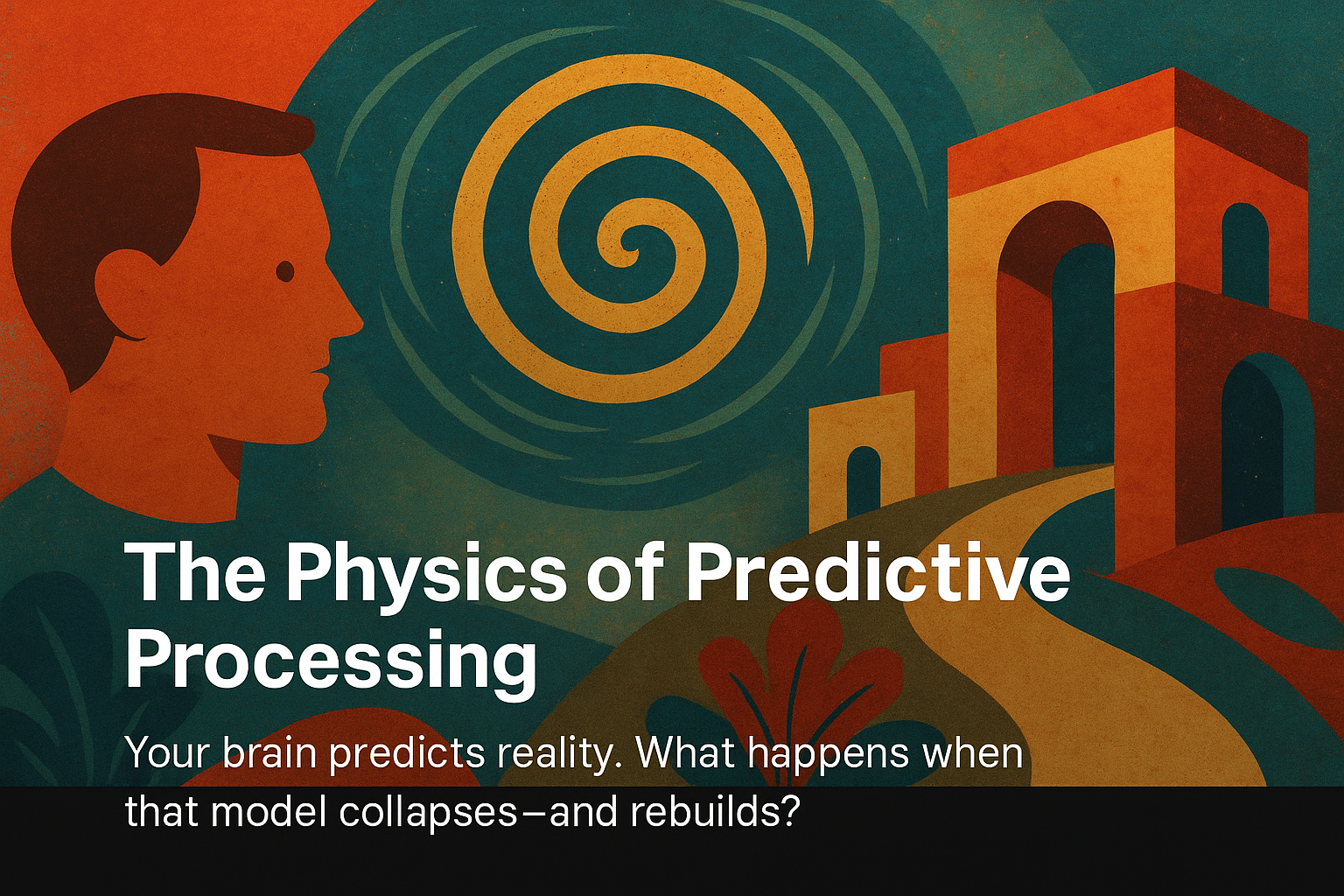
The Physics of Epistemic Vertigo
A science-language conversation about what happens when a childhood worldview collapses: predictive models, trauma, culture, and why the “falling” feeling can be a normal part of rebuilding perception.
Seeing Forrest Gump After Deconstruction
Rewatching a familiar film with a new interpretive lens reveals how much history, ableism, and cultural critique I was never allowed to see—and how comforting it is to realize others have been naming these systems for decades.